Projects & Impact
SOVAN International measures outcomes, not only activities. Each approved project is expected to define baseline conditions, target beneficiaries, budget, outputs, intended outcomes, indicators, data sources, responsible persons and reporting frequency before implementation.
How Projects Are Approved
Projects follow a disciplined workflow: needs assessment; concept development; safeguards review; budget and resource planning; management or Board approval at the appropriate level; controlled funding; implementation; monitoring and reporting; and closeout with final reconciliation, evaluation, records and lessons learned.
Learning Support in Action
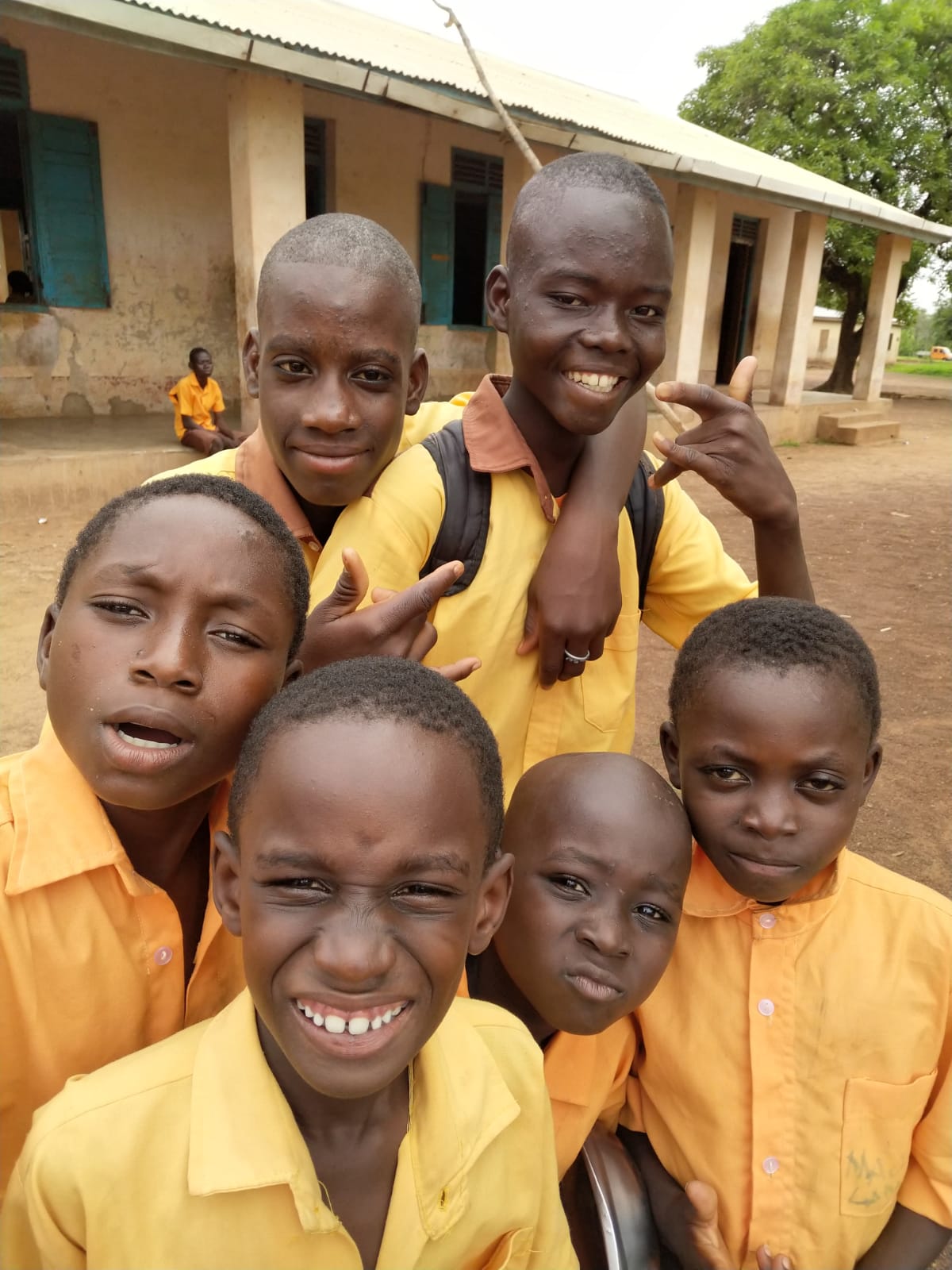
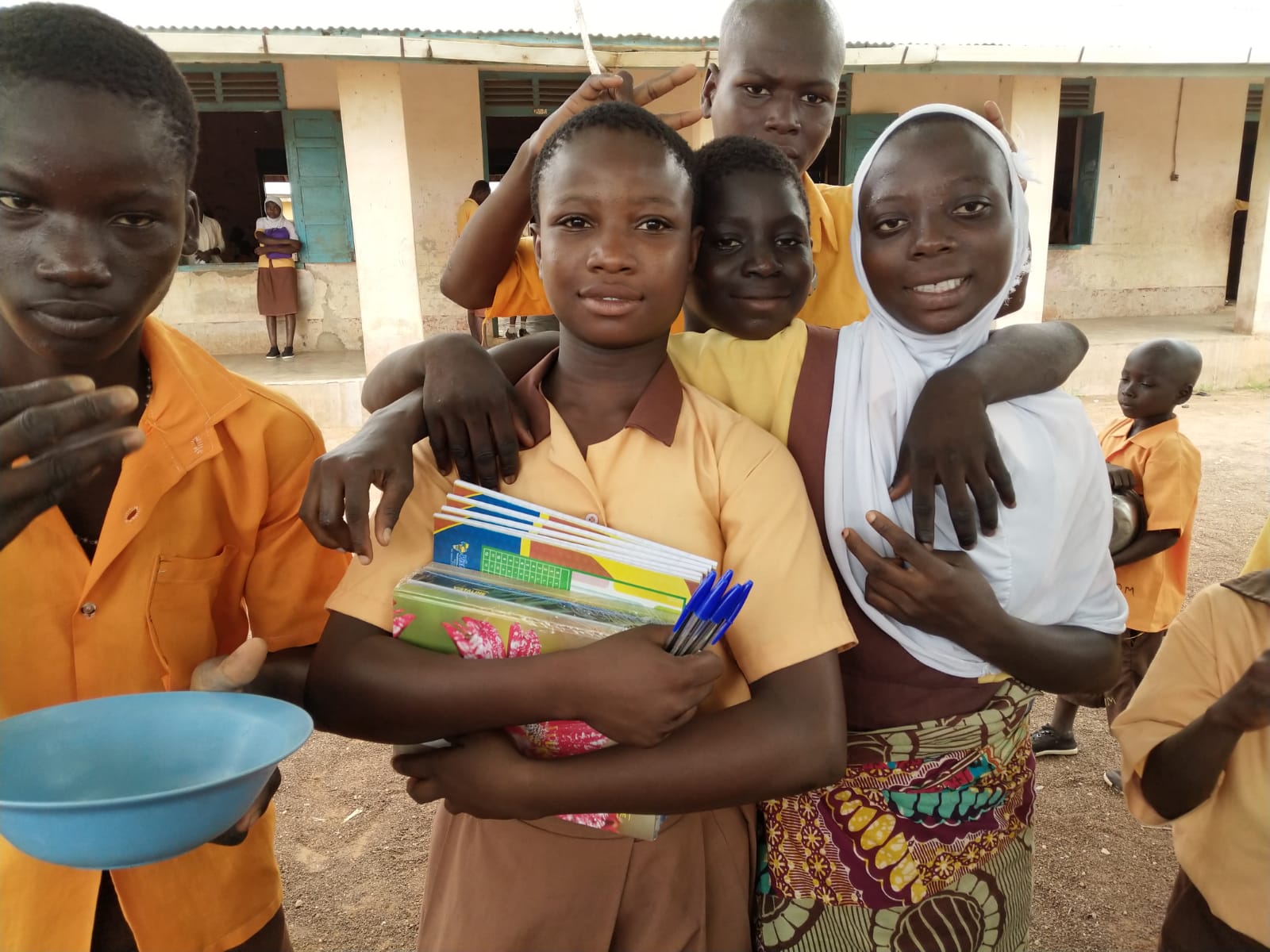
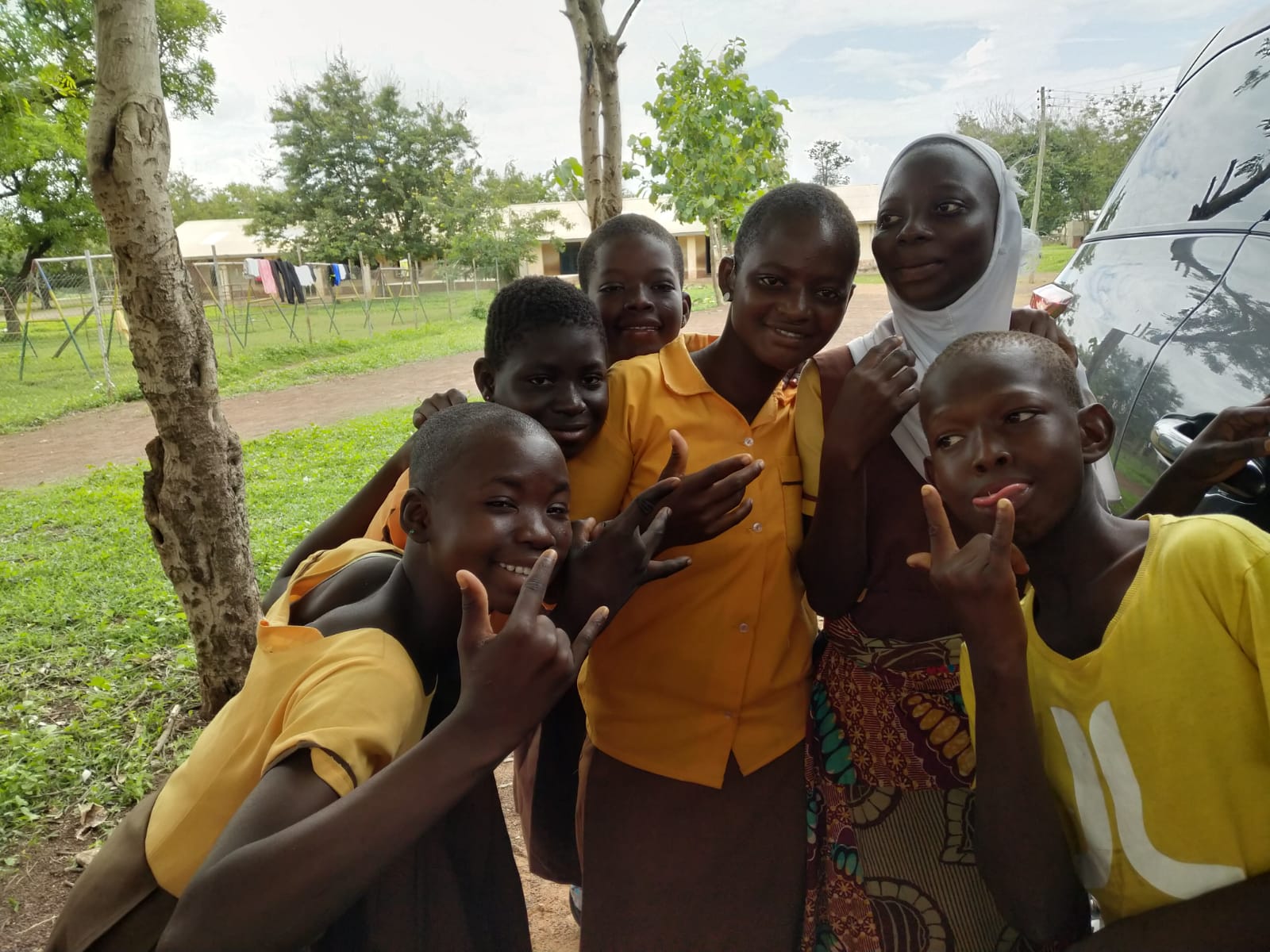
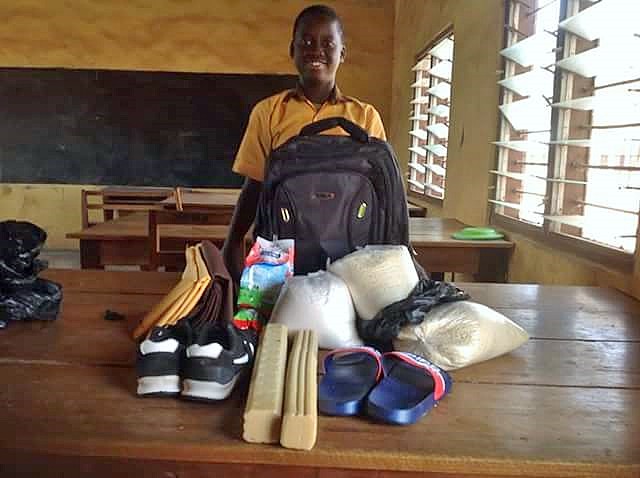
Students share a moment of excitement after receiving learning materials and school supplies to support their participation in school.
Evidence & Accountability
Project files may include needs assessments, objectives, target populations, budgets, implementation timelines, risk assessments, procurement records, beneficiary-selection methods, consent documentation, monitoring evidence, post-project financial reconciliation, lessons learned, follow-up results and donor-facing impact reports where applicable.
Our Goals for the First Five Years
Over our first five years, we plan to begin in a few communities with two or three projects shaped by local needs. These may include learning support for students, practical skills training for young people and women, or a community health, farming or water project. We will choose the first projects with community members and delivery partners, based on the funding and people available.
We will use these first projects to understand what works, what each activity costs and how much support we can sustain. As funding and partnerships grow, we will expand successful projects and set targets for the number of people we can serve. We also aim to help plant 5,000 trees over five years, subject to suitable sites, funding and arrangements for their care. We will check how many survive after planting.
Before each project begins, we will agree on its budget, intended results and how progress will be measured. We will report people receiving direct support separately from those reached through awareness activities, and avoid counting the same person twice within a program. The Board will review our goals each year using community feedback, baseline data and project results.